A LinkedIn survey states that there are 65% of employees actually prefer non-tangible rewards.
The evolution in the preferences of the modern workforce has moved rewards professionals to adopt a comp structure that balances both cash and non-tangible rewards.
However, to fulfill an employee’s need for comprehensive compensation packages, you need to have software solutions that help you make more data-driven decisions as comp and benefits professionals.
Today, many platforms in the SaaS marketplace effectively address compensation management challenges, with "Payscale" being one of the leading solutions. In this article, we will explore Payscale and other alternative platforms that offer robust features to meet evolving compensation needs.
What is compensation management?
Compensation management is the process of designing an efficient compensation structure that aligns with the market pay data, eliminates any pay gaps within the organization, and boosts employee engagement and retention.
Your compensation management process should be equipped to achieve these goals primarily:
- It enables you to make equitable compensation decisions.
- A process that helps you attract and retain top talent in the job market.
- It should have a positive impact on your employee performance.
- It should reduce ongoing costs related to your Human Capital Management.
- The process should be compliant with the laws of the labor market.
A compensation management software is packed with advanced HR algorithms that streamline your employee compensation management.
Why do you need compensation management software?
Simplifying compensation planning is a top priority for comp professionals for efficient workforce management.
Compensation management solutions are a result of this growing requirement. They have an intuitive interface that can help you make systematic compensation decisions.
Market data states that the use of a comprehensive software solution for compensation planning can increase employee engagement and retention rates by 20%.
The major benefits of using a effective compensation management are:
- Your compensation budget planning can be optimized to obtain the best results for your workforce management.
- Create market-competitive salary bands with the help of real-time salary data.
- Data-driven compensation platforms will help you identify the pay gaps within your organisation.
- You get the added benefit of real-time data and analytical tools that shape the future of your compensation offerings.
Let’s analyze some of the powerful tools that simplify complex compensation structures.
What is Payscale?
Payscale is a stand-alone compensation management tool that provides salary benchmarks, compensation budgeting, people analytics, and more.
It has 4 major offerings:
- Payfactors - They have dedicated tools for salary benchmarking, which help you compare multiple benchmarking standards to help create the right salary bands.
- Payscale data - Gives you 3 different perspectives into the industry standards to establish market competitiveness in your pay offerings.
- Compensation planning - A platform that helps you run your merit and increase cycles.
- Marketpay - A compensation survey management platform for better insights into salary planning.
Pros and Cons of using Payscale
Payscale's products and services are aligned to benefit the compensation team worldwide. To give you a better understanding, let’s highlight the key features and limitations you might face while using the platform.
Pros of using Payscale:
- As an organisation, you might be at different stages of compensation maturity and would want to offer a salary based on percentiles fit for you. Their benchmarking feature allows you to compare different perspectives that work best for you.
- Payscale has modified compensation survey management to fit the dynamic needs of the compensation teams. It helps you compare surveys from multiple vendors in one single place.
- The platform provides a comprehensive analytics platform to help you derive data-driven pay decisions.
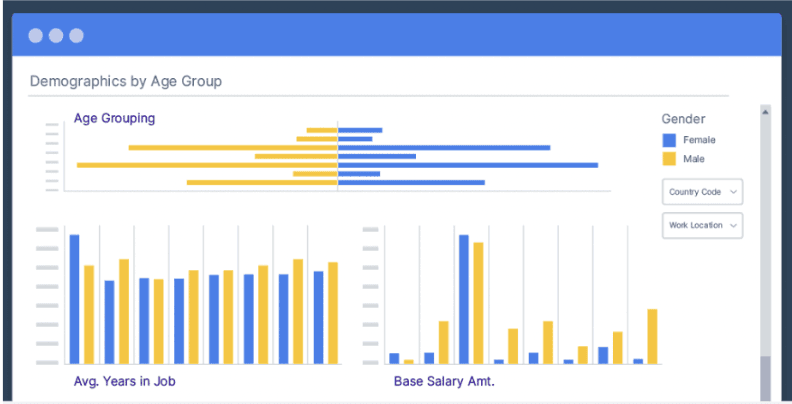
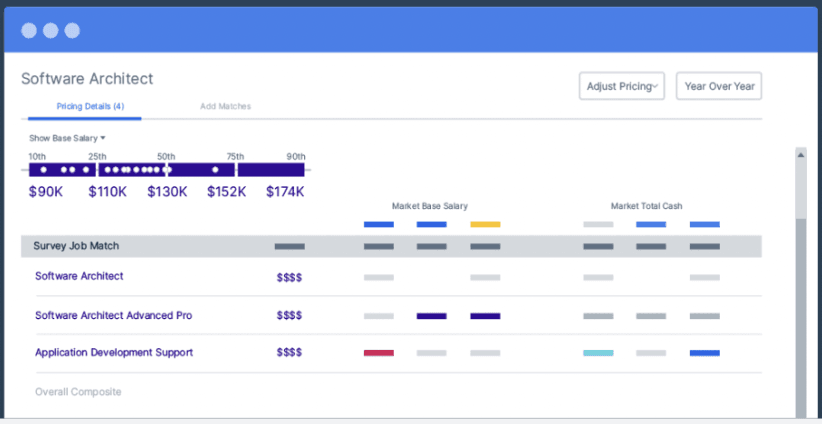
- Payscale has a dashboard that has a cumulative representation of current market info on salaries for optimized compensation banding. This helps you compare industry-specific data from multiple sources to create precise salary bands for your workforce.
Cons of using Payscale:
- The heavy reliance on keyword matching when it comes to job titles across different companies makes the data comparison irrelevant and incorrect for a lot of compensation teams.
- The user interface is not very intuitive according to some user reviews.
- The filtering system for customising the salary is not very defined for use.
- The capability to upload specialised job details is missing in their customization feature.
Let's see some of the alternatives of Payscale that might be a more comprehensive and secure solution for your workforce management.
Top 4 Payscale Alternatives to Choose from in 2024
CompUp
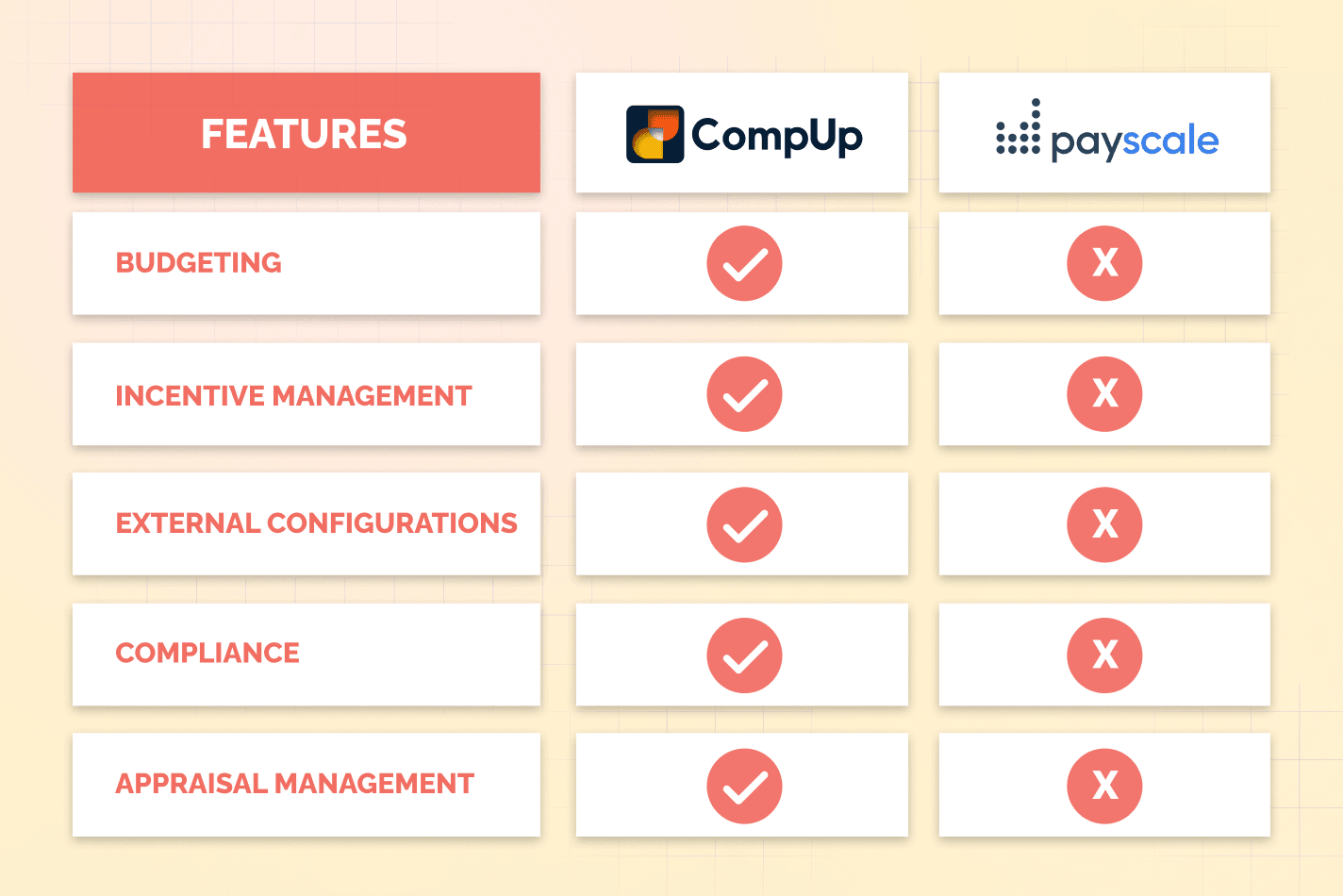
CompUp works on the principle that compensation management software should be equipped to handle not just the current compensation troubles but to future-proof compensation requirements for better workforce development.
CompUp’s features are a step ahead of the current compensation processes. Let’s have a look at some of the key capabilities provided by CompUp:
- One of the most celebrated features of CompUp is peer basket comparisons. You can use filters depending on the nature of your industry, job role, job function, geography, and more. This helps in accurate salary band creation by analyzing data relevant to you.
- It is one of the most tech-focused platforms, and works consistently on simplifying the user experience.
- CompUp helps you get a centralized view of your compensation ranges as well as individual insights for specific roles and functions. It helps you get a better perspective for achieving fairness in compensation within your org.
- Budget simulation running in CompUp has a user-friendly interface to help reward professionals achieve better results with minimum hassle.
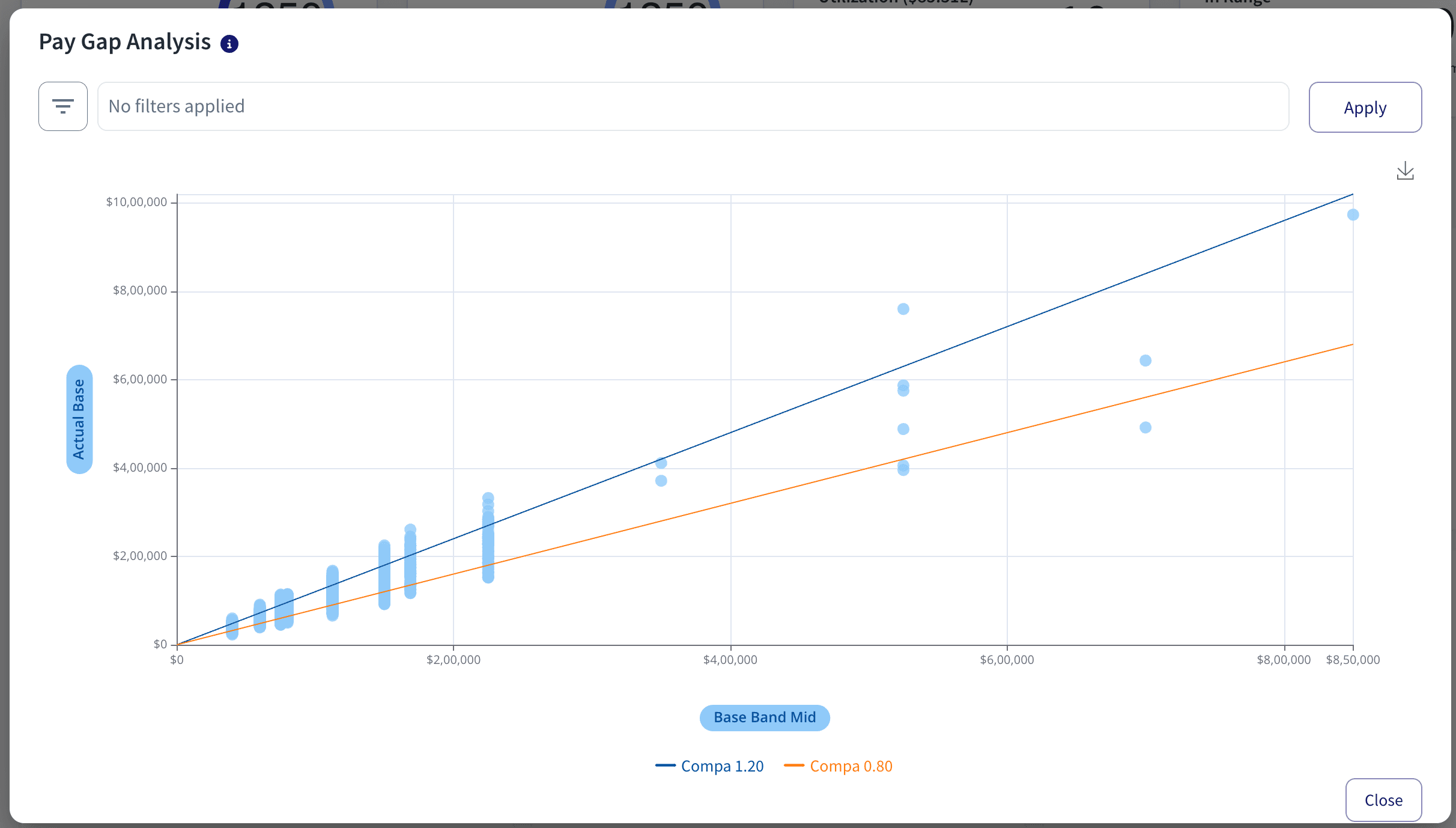
- CompUp has introduced gender pay analysis based on different tiers of job levels to get a deeper understanding of how gender pay gaps stem in organizations.
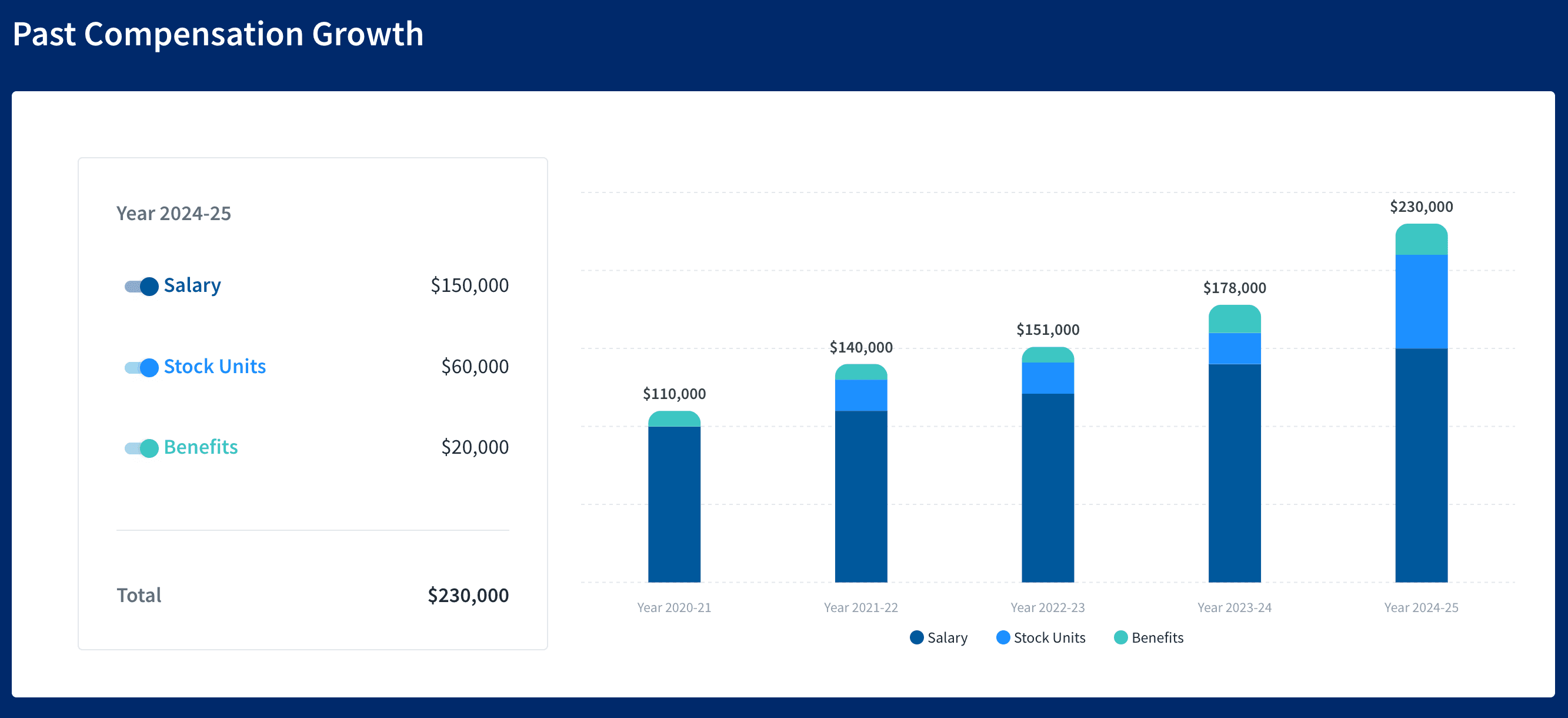
- It helps you communicate your total rewards strategy with a well-planned Total Rewards Statement (TRS) that helps employees track their earnings within the company.
- CompUp has a very strong approval workflow in place to prevent any kind of data breach and ensure the security of your compensation data.
BetterComp
BetterComp works on the compensation benchmarking model, helping companies find the right market pricing for ease of compensation planning.
Pros of using BetterComp:
- BetterComp has a feature that allows one to view different compensation surveys and compare results from them to create market-competitive pay bands.
- They have job mapping feature that helps you standardize job leveling within your org. It eventually makes the application of relevant data easier.
Cons of using BetterComp
- BetterComp’s approval workflow is not defined and that puts the data at risk.
- The user interface is not easily navigable according to user reviews.
- Also, the tool does not provide the ability to manage and run merit and increment cycles.
Pequity
Pequity helps you create custom programs for your compensation requirements. It also helps you define your comp philosophy as an organization based on the level of compensation maturity.
Pros of using Pequity:
- Pequity has a refreshing and comprehensive dashboard for creating pay bands. It also enables seamless integration with easily applied filters that can pull up relevant compensation data.
- They offer fractional compensation experts who can deliver their expertise for very specific requirements like managing your equity program, bonus calculations, running compensation cycles, and more.
- The platform also helps you run pay equity audits to determine any pay gaps existing in your organization.
Cons of using Pequity
- The platform lacks real-time visibility into significant compensation analytics that can solidify your compensation planning against market fluctuations.
- The capabilities of Pequity are a bit scattered to take on the form of a comprehensive compensation management platform.
Payreview
Payreview is an HCM-based compensation model that helps optimize your HR investments. One of the most highlighted features of Payreview is the focus on internal and external benchmarking.
Pros of using Payreview
- It helps you do an initial hire review where the new candidate's salary is evaluated with the internal compensation data to avoid any pay disparity.
- Payreview's incentive planning feature links employee compensation with overall business performance, especially for senior leaders for optimized incentive planning.
- The platform helps you apply rules (key metrics) on salary increments for running a uniform merit cycle.
Cons of using Payreview:
Conclusion
Compensation management is now attached to objectively achieving certain milestones in terms of employee engagement and retention. Any comp management tool worth its salt should have robust features that can tackle multiple issues under one platform.
CompUp has been reading the industry requirements for a while now to understand how to make their offerings feasible by solving inter-connected compensation requirements.
Try the platform today to understand how CompUp can help you make data-driven and bias-free pay decisions.