
It is late on a Wednesday. Your eighth version of the merit spreadsheet just came back from a department head with three cells highlighted in yellow and a question mark next to a top performer's number. The cycle was supposed to close last Friday. The stress is not hypothetical. It is a predictable, systemic breakdown that nearly 60% of HR leaders trace directly to manual compensation processes, which drain weeks from the calendar and fuel decision fatigue across the leadership team.
This is not a procedural update. It is a structural overhaul waiting to happen. When a compensation review cycle stretches into a third week, the culprit is almost never a single bad manager. The culprit is a process that forces good managers to juggle fragmented spreadsheets, inconsistent performance ratings, and outdated market benchmarks without a single source of truth. The organization has handed them a broken instrument and then blamed them for the music.
This article dismantles the three bottlenecks that turn compensation planning into an endurance test: the data purgatory, the philosophy vacuum, and the manual slog. It then lays out the precise, integrated alternative that collapses the timeline from weeks to days and returns strategic control to managers.
The core operational changes that convert a painful comp cycle into a decisive, manager-friendly one are not theoretical. They are mechanical.
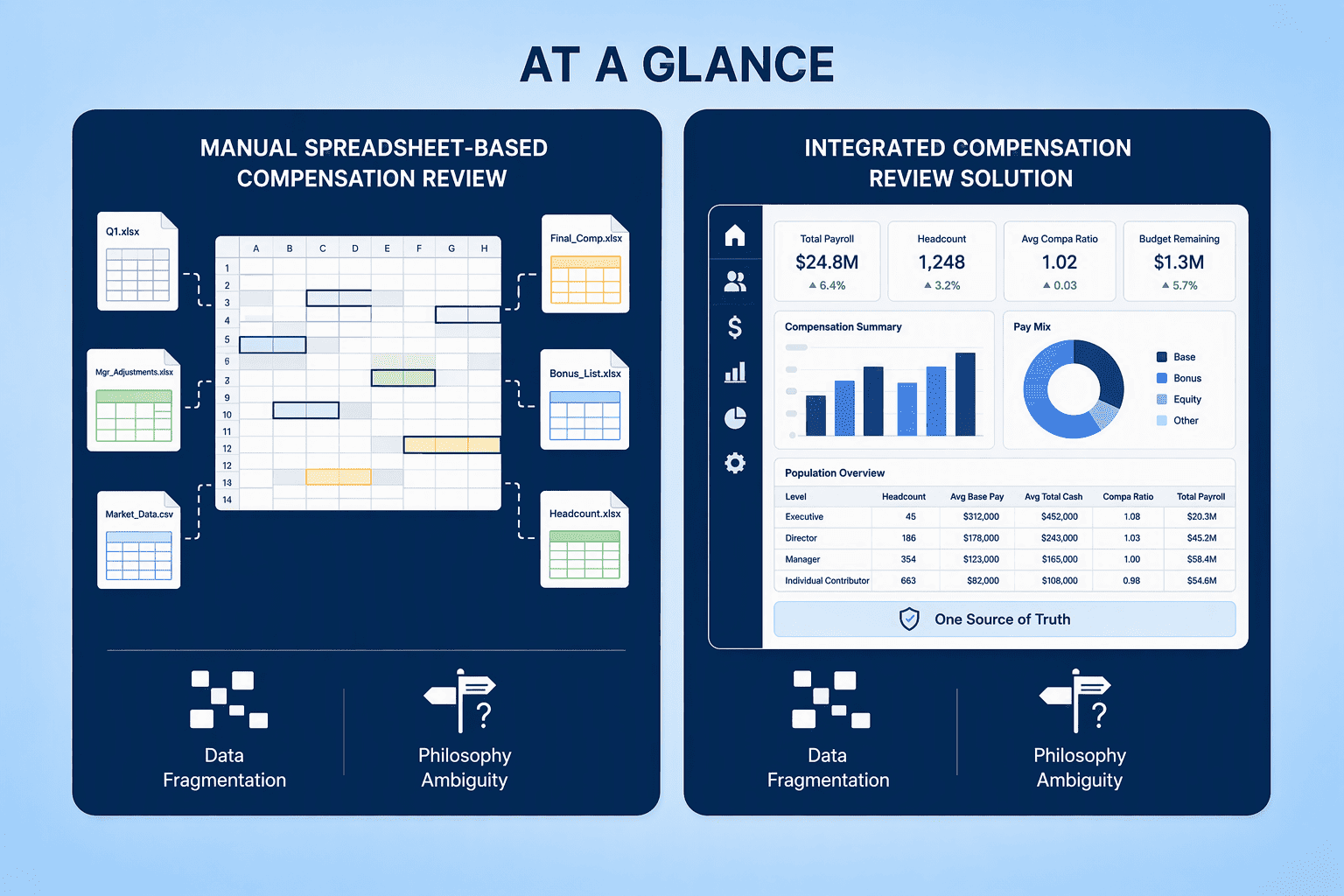
Here is how the options compare across the dimensions that matter most.
| Stress Driver | Manual Process | Integrated Solution |
|---|---|---|
| Data fragmentation | Managers juggle spreadsheets, inconsistent ratings, stale benchmarks in separate files. | Single source of truth with live market data and performance ratings pre-loaded. |
| Philosophy ambiguity | Unwritten pay policy forces debate on every exception during calibration. | Hardwired compensation philosophy removes ambiguity and pre-solves political arguments. |
| Budget coordination | Manual roll-ups and email approvals create version chaos and rework. | Automated budget aggregation and approval routing eliminate coordination tax. |
| Timeline drag | Cycles stretch 2 to 3 weeks due to data stitching and rework cascades. | Collapsed to days with pre-populated pools and real-time integrated data. |
| Manager stress | Decision fatigue from synthesizing fragmented data under deadline pressure. | Role shifts to strategic calibration of pay vs. performance. |
For most organizations, yes. But it has nothing to do with working longer hours or hiring a more patient HR team.
The anchor dragging your cycle into its third week is almost always legacy process architecture. When the core workflow is a chain of spreadsheet attachments passed through email, every round of edits introduces version-control chaos. A single stale benchmark can misalign an entire department's pay structure, which then spawns a cascade of exceptions and rework. The stress managers feel is not pressure. It is decision fatigue from a system that forces them to synthesize fragmented data, an unwritten pay philosophy, and inconsistent performance ratings simultaneously, in real time, under a deadline.
The organizations that killed this pain did not discover a shortcut. They replaced the architecture. They embedded a formal compensation philosophy as the operating framework, centralized their data into a single integrated tool, and automated the budget roll-up and approval routing.
In those cycles, the manager's job shifts from data wrangling to one thing: calibrating pay against performance and market reality. The verdict is straightforward. A painless review is an integrated system outcome, not a cultural miracle.
A compensation review cycle that stretches into a third week is slow for one reason. The process forces managers to fight three structural fires at once: scattered data, manual workflows, and the decision fatigue those two conditions create. Remove any one of the three and some pressure lifts. Leave all three in place and every cycle ends in the same late-night spreadsheet reconciliation.
The first structural failure is fragmented data. A manager pulls current salaries from the HRIS, hunts down last quarter’s performance ratings from a separate talent module, and then overlays a market benchmark report that may be six months stale. Manually downloading and inputting information from an HRIS into custom spreadsheets is time-consuming and error-prone. Each manual data handoff introduces version-control risk and forces a verification step that eats hours a manager does not have.
The second failure is the absence of automated workflows. Approval routing through email, as research on offer cycles demonstrates, adds three to seven days on average to a process that should be measured in hours. When budget roll-ups and outlier flagging also rely on manual calculation, the cycle time balloons.
The cumulative effect is not just delay. It is decision fatigue of the kind that degrades judgment. Managers, given no single source of truth and no clear set of pay principles, start making choices to survive the process rather than to advance the strategy.
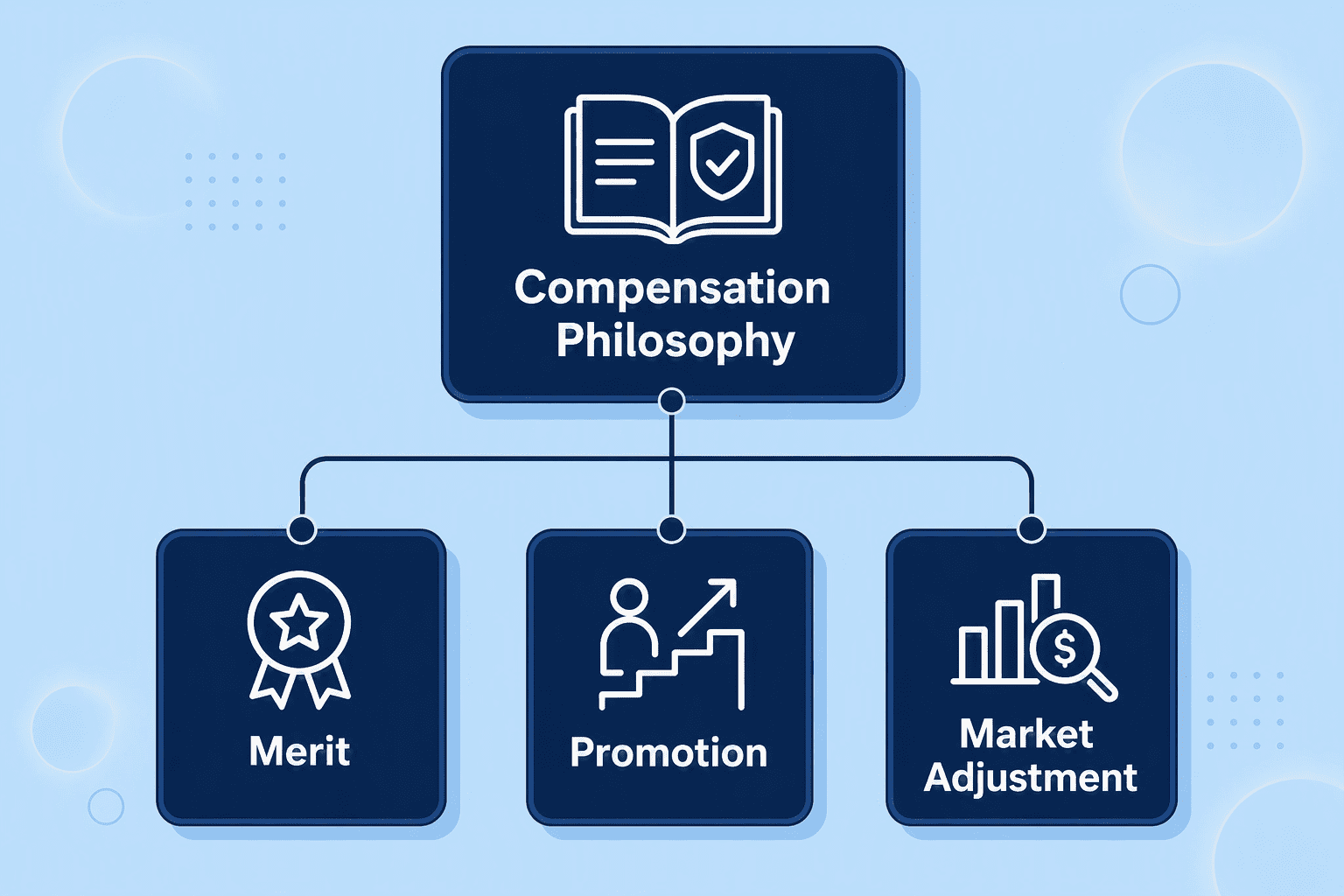
A compensation philosophy is not a mission statement. It is a formal document that explains the “why” behind employee pay and creates a framework for consistency across every merit, promotion, and market adjustment decision. Without it, a comp review degenerates into a series of political negotiations where the loudest department head often wins.
When the framework is explicit, targeting base pay at the 50th percentile of the market, rewarding specific performance metrics with a defined merit increase budget, and documenting the rationale, the debate ends before it begins. The philosophy does the pre-work of answering whether a counteroffer should be made or whether tenure alone justifies an above-guideline increase. A well-designed philosophy supports the organization’s strategic plan, business goals, and total reward strategies simultaneously. It acts as the objective anchor that removes bias and dramatically accelerates calibration conversations. Ambiguity is the fuel of process friction; a codified philosophy is the brake.
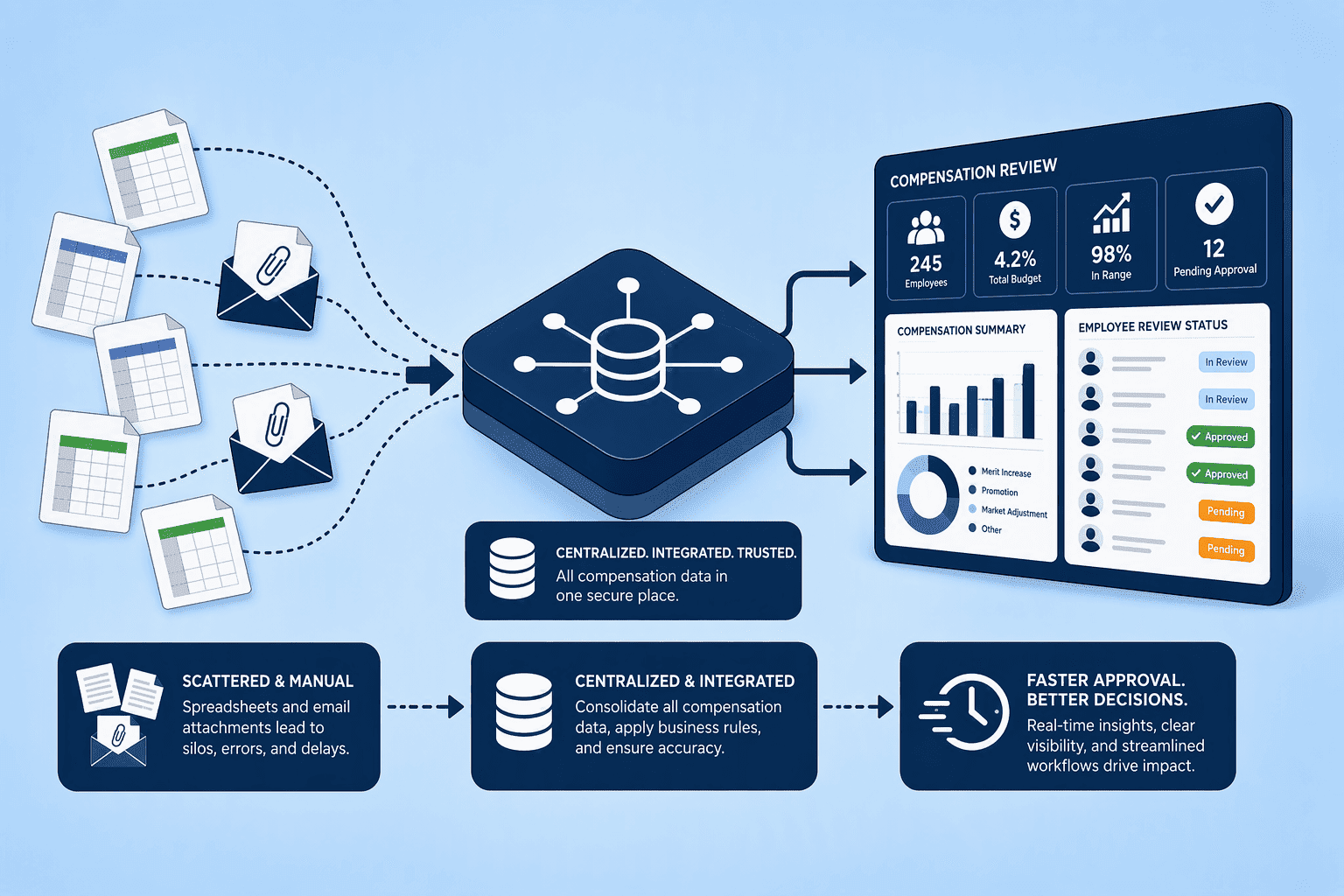
Moving a compensation cycle off spreadsheets rewires who managers actually are during crunch time. Instead of data wranglers cross-checking seven pivot tables late into the night, they become calibrators making judgment calls with real numbers already in front of them. The mechanics below show how integrated software turns a three-week grind into a few days of focused work.
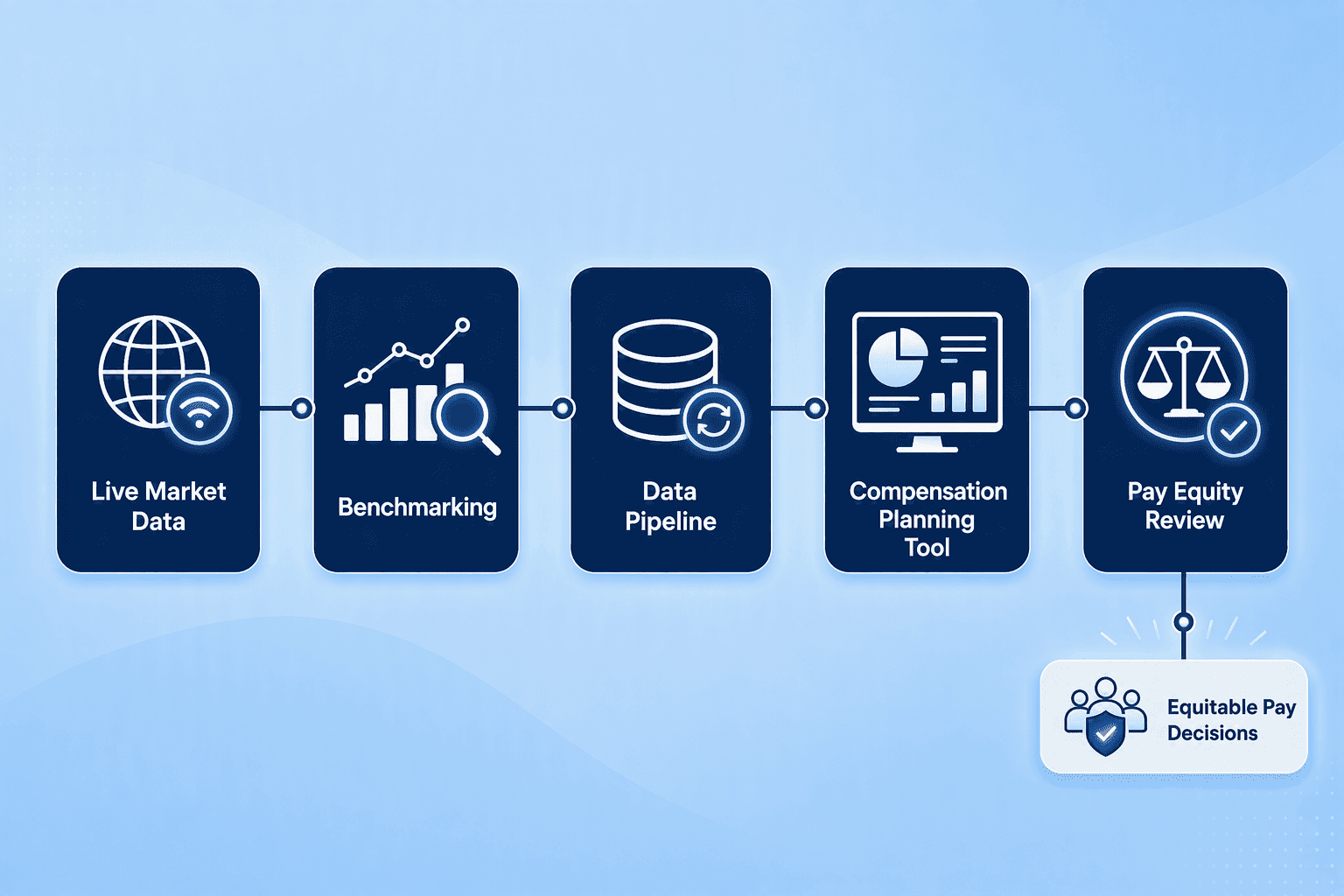
The subjective stress of a compensation review dissolves when a manager can point to objective, current data and say, “This is why.” Salary benchmarking uses aggregated market data to establish competitive pay rates, and when that data is stale, the entire framework of fairness cracks. Pulling live data from sources like the Bureau of Labor Statistics into the planning tool means a manager is never left defending a number based on last year’s survey and a hunch.
The compliance dimension carries equal weight. Recent transparency policies across several U.S. states, including salary history bans, have sharpened the focus on fair pay practices. Integrated pay equity analytics flag adverse impact before the cycle concludes, performing the FLSA classification and equity analysis that, done manually, would add one to three days of research per new market or employee segment. This is not a compliance overhead; it is a de-stressor. When a tool pre-validates that a pay decision will not create a legal liability, the manager’s confidence rises and the fear of an unfair outcome subsides.
Software alone is not the finish line. It is the instrument.
Organizations that deploy a sleek compensation planning platform and then hand managers a one-page “click here” guide see the same stress levels return in a different form. The tool eliminates the data-entry burden, but it also surfaces uncomfortable truths: a high performer is suddenly flagged as underpaid against the market, or an equity analysis shows a pattern that demands a difficult conversation. When training covers only button-pushing, the manager ends up with powerful data and no practice using it in a real conversation.
Effective enablement shifts the focus from software walkthroughs to conversational skill. The training agenda concentrates on conducting a data-informed pay discussion: explaining the reason behind a 3% increase when the benchmark shows the role is at market, communicating total rewards value beyond base pay, and running a calibration debate where the compensation philosophy settles disagreements instead of personal opinion. A manager who can walk an employee through a personalized total rewards statement, generated directly from the platform, turns a review that could feel adversarial into a retention event. The tool supplies the facts. The training supplies the ability to deliver them well.
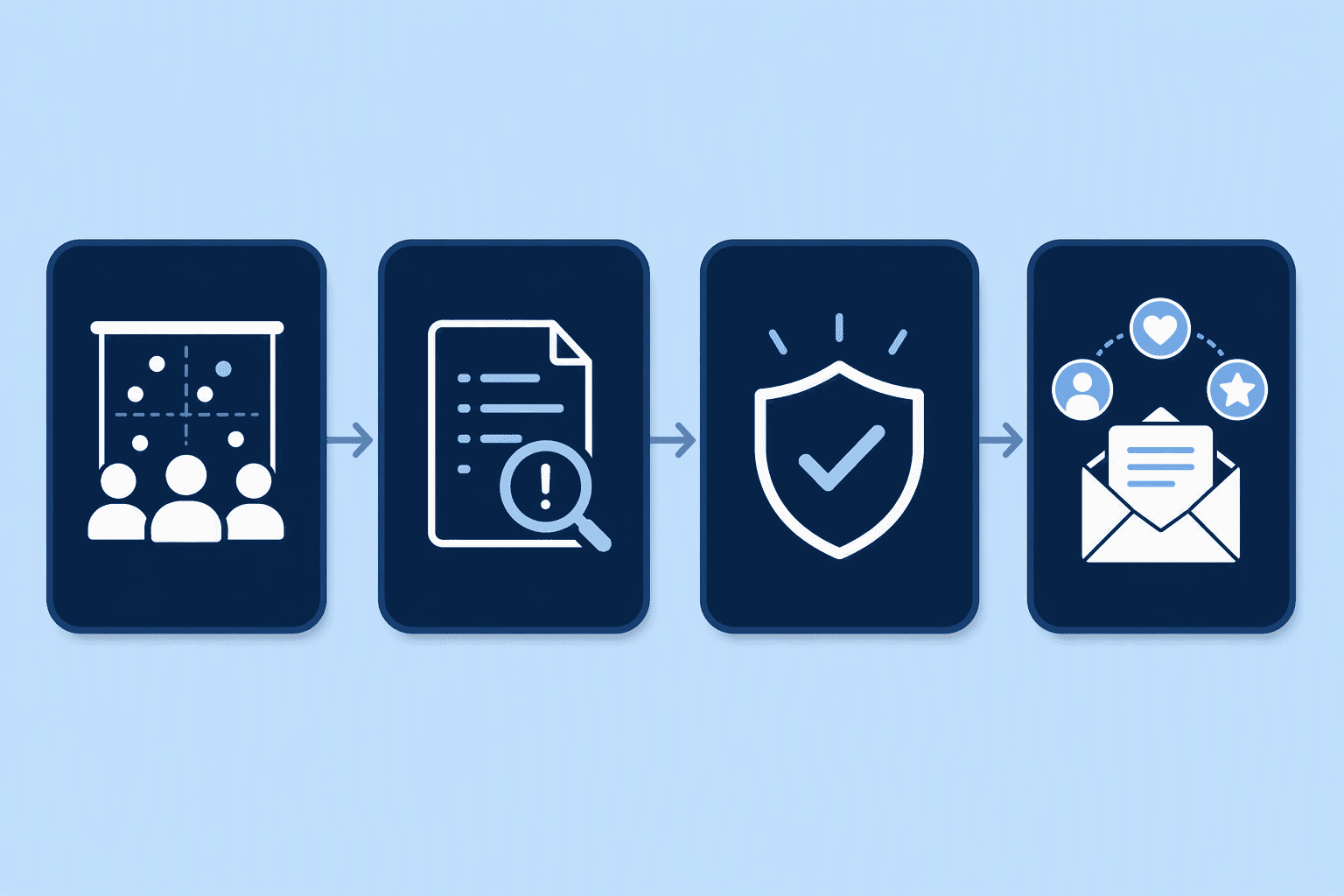
A streamlined compensation cycle does not end when numbers are entered. It ends when the pay decision is understood and accepted. The final leg, from calibration to communication, is where speed and fairness either solidify or unravel. Here is the sequence that locks in both.
A compensation review cycle that eats three weeks of leadership time is not an HR annoyance. It is a competitive liability at a moment when strong candidates evaluate and accept offers within ten days. The fix is not incremental.
It is a clean replacement of the broken triumvirate, the philosophy vacuum, the data purgatory, and the manual slog, with a single integrated system that codifies pay principles, centralizes live data, and automates the administrative work managers should never have been asked to do. The future of compensation planning is not faster spreadsheets. It is fully engineered decision-making, and the organizations that build it will retain more than just their sanity. If you're weighing options, CompUp is worth a closer look.
Three structural failures are responsible:
It automates budget roll-ups, pre-populates merit pools with configured rules, flags outliers instantly, and centralizes manager submissions in one portal. This shifts the manager’s role from data entry to strategic calibration, cutting a three-week manual cycle down to a handful of days.
Accurate, real-time market benchmarks from live sources replace subjective guesswork with objective fact, giving managers confidence in the fairness of each decision. It eliminates the fear of making an incorrect or inequitable choice that could cause a retention or compliance problem.
A formal philosophy documents the “why” behind pay, creating a framework that pre-solves political debates. When an explicit principle (like targeting the 50th percentile) is hardwired into the tool, calibration conversations become a matter of applying the standard, not arguing over personal opinion.
They should prioritize tools with built-in FLSA classification checks, automated pay equity analytics to flag adverse impact before finalization, real-time benchmarking data integration, and automated audit trails. These features remove days of manual research and reduce the risk of non-compliance with state transparency laws.
Total rewards statements shift the conversation from a single base-pay number to the full value of compensation, including benefits, equity, and variable pay. When generated automatically from platform data, they give managers a concrete, holistic tool to demonstrate an employee’s complete compensation package.
Community Manager (Marketing)
As a Community Manager, I’m passionate about fostering collaboration and knowledge sharing among professionals in compensation management and total rewards. I develop engaging content that simplifies complex topics, empowering others to excel and aim to drive collective growth through insight and connection.
Revolutionizing Pay Strategies: Don't Miss Our Latest Blogs on Compensation Benchmarking