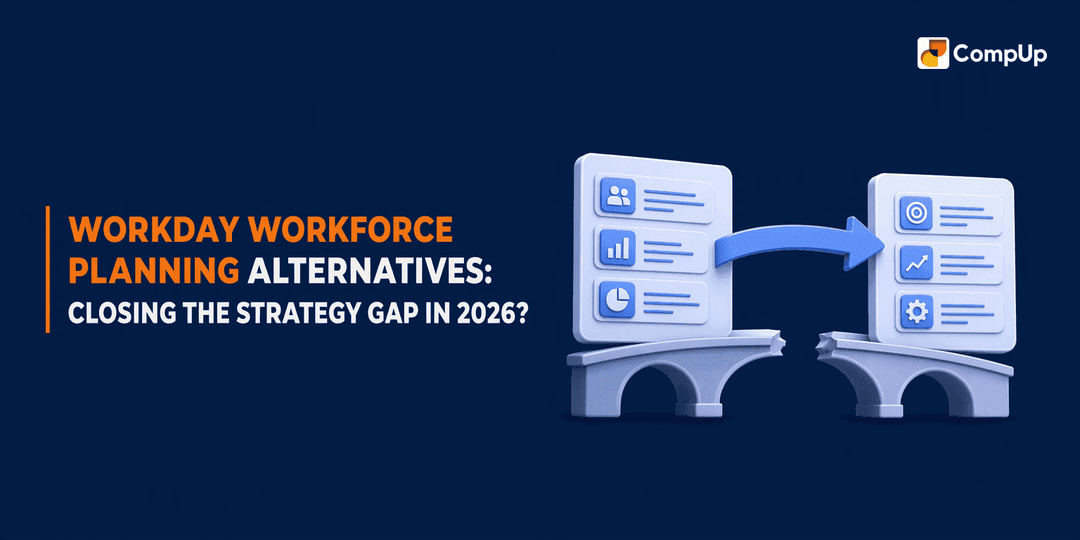

Your CHRO returns from the board meeting with a sharp directive: fund the three-year product pivot, but show exactly which capability gaps will stall it. Meanwhile, finance hands over a headcount spreadsheet that tallies salaries without mapping a single skill to the revenue strategy. This disconnect is the costly gap between operational headcount tracking and genuine strategic workforce planning (SWP). When your current system treats long-term capability modeling as an afterthought, the search for an alternative becomes an operational priority.
The central crisis in workforce planning is a failure to bridge strategy and operations. The data indicates that most organizations are running on a planning model that is structurally incapable of surfacing future business risk.
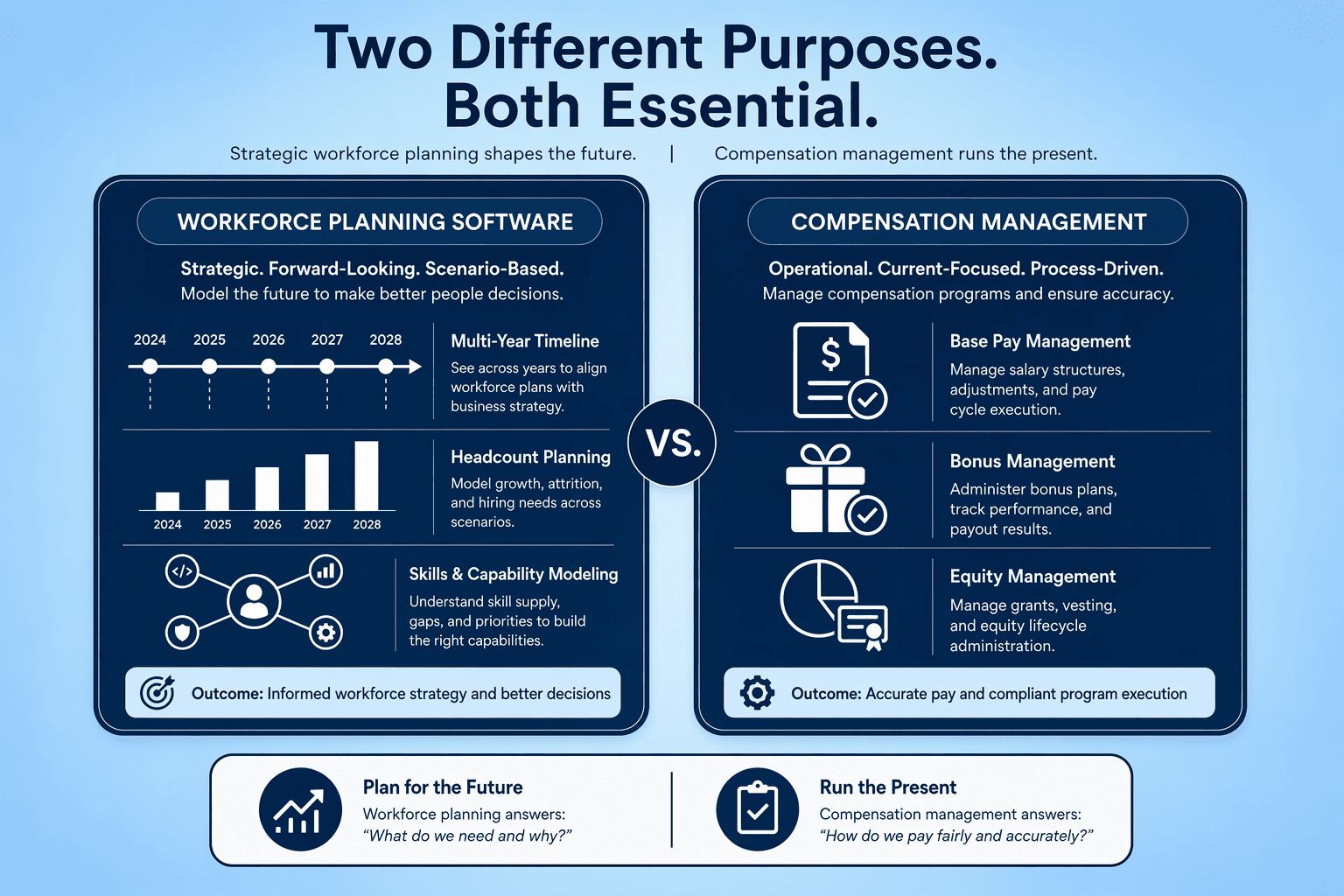
Workforce planning software is a strategic platform that models the multi-year supply and demand of capabilities and roles against business objectives. It answers questions like, "Do we have the AI skills to launch this product in 2028?" Compensation management tools administer pay structures, bonus cycles, and equity grants. They cannot model headcount scenarios against a dynamic budget or integrate fragmented skills taxonomies.
Using a compensation tool for strategic planning creates a dangerous illusion of control. You can pull a report showing how much you pay engineers without ever revealing that your engineering cost base will double in three years because your skill mix is degrading. A platform like CompUp lets you manage real-time compa-ratios and pay equity analysis, but it orchestrates the total rewards lifecycle and stops there. It does not simulate your future capability gaps.
The confusion is costly because genuine SWP, which McKinsey & Company data ranks third among HR's top priorities, must happen before the annual budget calcifies. SWP software defines the strategic roles, core roles, and non-core positions. Then it tests hiring, contracting, reskilling, or automation levers against a P&L. A compensation module locked into a quarterly cycle cannot run that trade-off logic.
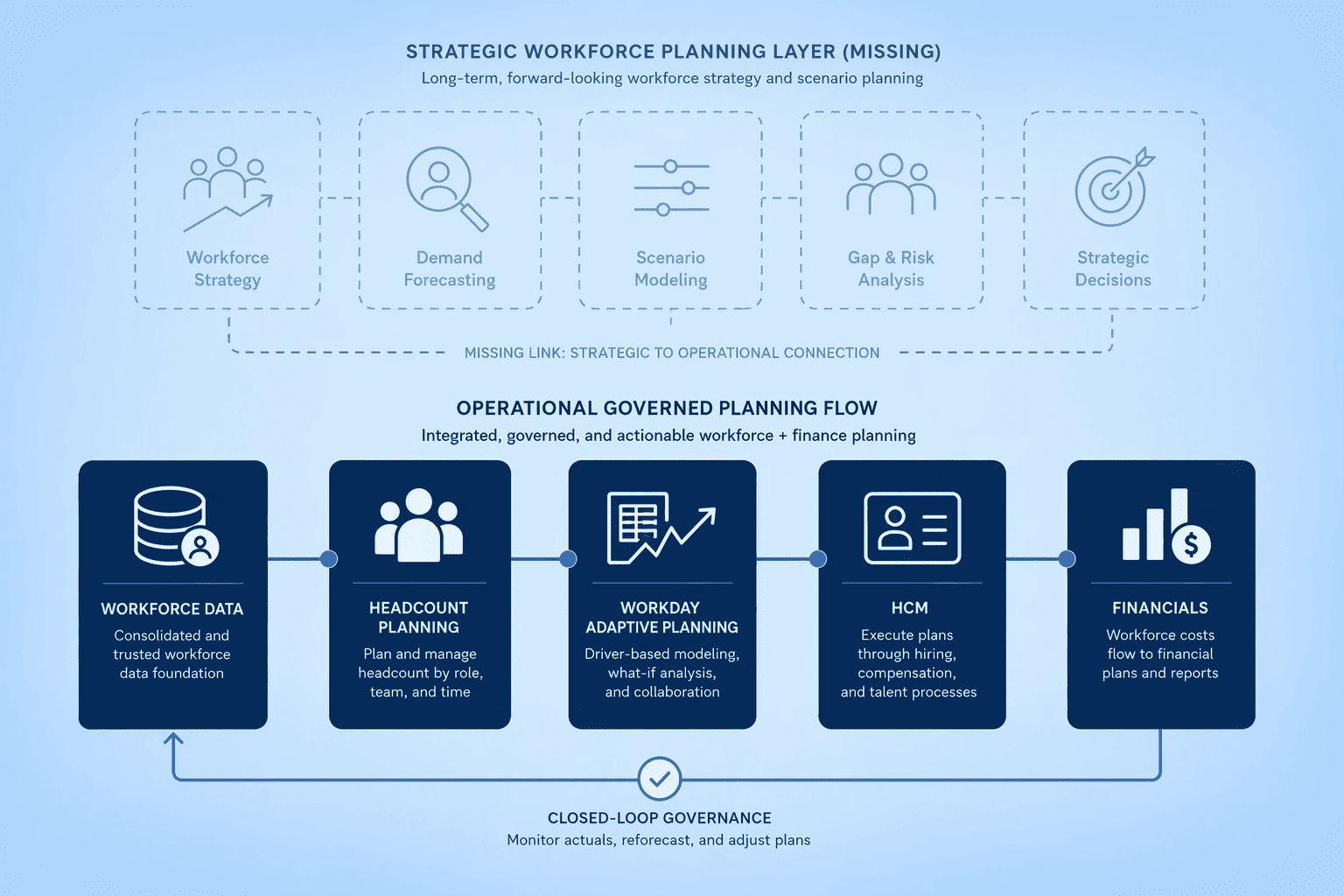
The pain point is structural. Gartner reports that only 15% of CHROs say their organizations practice SWP, despite it being a top-three mandate. Most firms, including many running Workday Adaptive Planning, remain locked in operational mode.
Workday Adaptive Planning can connect headcount, financial, and workforce data in a single governed model. It supports publishing approved plans into Workday HCM and Financials. The tool handles quarterly hiring-plan execution competently. The friction emerges when you try to move past that operational layer and start multi-year capability roadmapping that forces explicit trade-off decisions.
The result is a planning layer that sits disconnected from corporate strategy. HR chases current-quarter attrition gaps while the executive team sets 2027 revenue targets that rely on a skill profile the business is not building. Closing that gap is why the market is shifting to solutions built with workforce segmentation, AI productivity modeling, and build-buy-borrow-automate logic as native components rather than bolt-on features added after the fact.
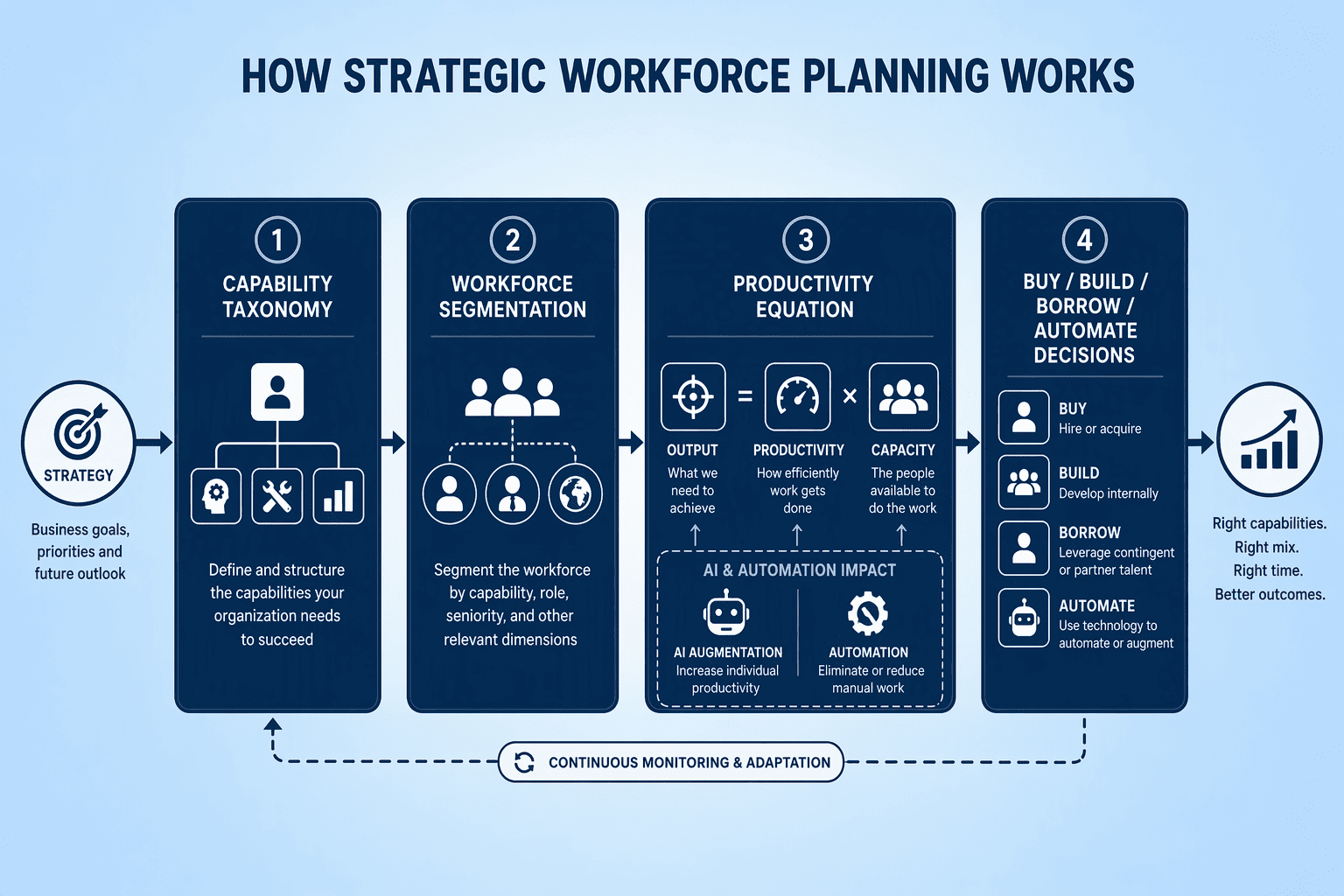
A modern SWP platform starts not with headcount, but with a capability taxonomy mapped to the corporate strategy. The tool then segments the workforce, strategic differentiators, key core contributors, and transactional non-core roles, and applies a productivity equation to model the impact of AI and automation on each segment.
Where operational tools stop at a cost-per-hire comparison, a strategic tool surfaces the real choices across every lever: buying external talent, building internal pipelines, borrowing contingent labor, or automating the work entirely. The output is a multi-year plan that directly informs the annual budget cycle before a single number is locked.
| Planning Dimension | Operational Tool (e.g. Workday Adaptive) | Modern SWP Platform |
|---|---|---|
| Primary Time Horizon | Quarterly to annual headcount and budget | Multi-year capability and revenue roadmaps |
| Core Methodology | Headcount tracking and cost roll-ups | Workforce segmentation (strategic/core/non-core) against demand scenarios |
| AI Modeling Approach | Headcount reduction assumption | Productivity equation modeling output per skill segment |
| Talent Strategy Logic | Monolithic hiring plan | Build, buy, borrow, or automate trade-off analysis per role family |
| Skills Integration | Separate HCM skills cloud, often disconnected from planning | Skills inferred and embedded in cost, capacity, and supply models |
| Budget Linkage | Plan published into HCM/Financials after approval | Capability-cost modeling drives the budget before it is set |
The market response to this gap is a growing ecosystem of tools that embed strategic modeling as a core feature. The leading alternatives differentiate on how deeply they bridge strategy to operations and how explicitly they surface skills-based trade-off decisions.
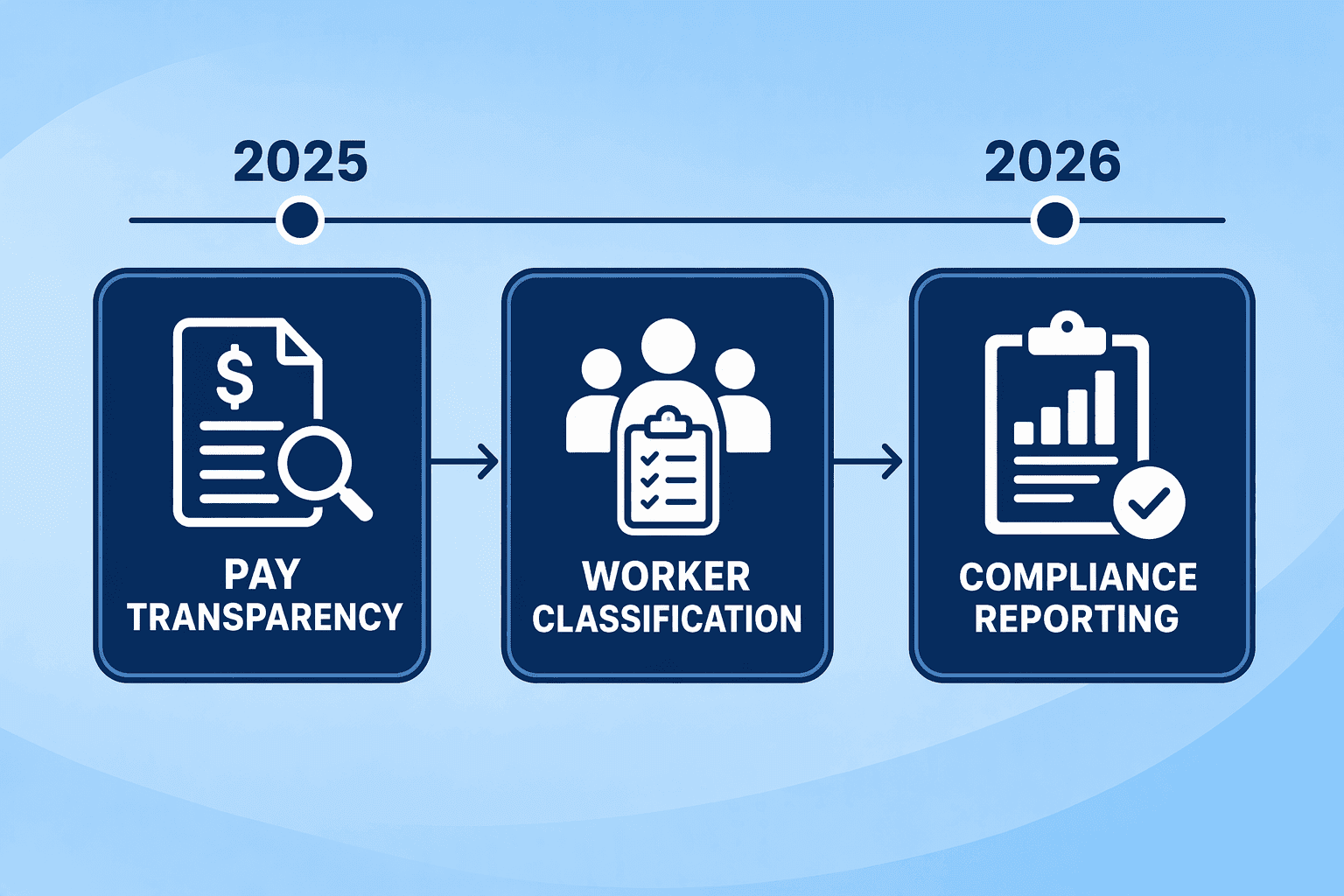
The regulatory ground has shifted under workforce planners. A wave of federal and state mandates on pay transparency, contingent-worker classification, and skills-based compliance reporting means your three-year plan must now dynamically model labor cost scenarios that change with the legal environment. A static plan built in a legacy operational module will be non-compliant on arrival.
The implications are concrete and urgent:
Your planning platform must therefore treat regulatory change as a first-class input variable. It must be able to re-model headcount, location strategy, and total remuneration under mandatory salary threshold adjustments. Chapter 9 of the Indian social security code now extends PF/ESIC benefits to gig and platform workers on aggregator platforms, and the same dynamic compliance principle applies globally. If your current tool cannot run a contingent-to-permanent reclassification cost simulation in an afternoon, it is already a liability. CompUp's compensation analytics, for instance, handle real-time pay equity and compa-ratio tracking that feed audit readiness, but you still need the upstream workforce modeling layer to set the compliant demand plan.
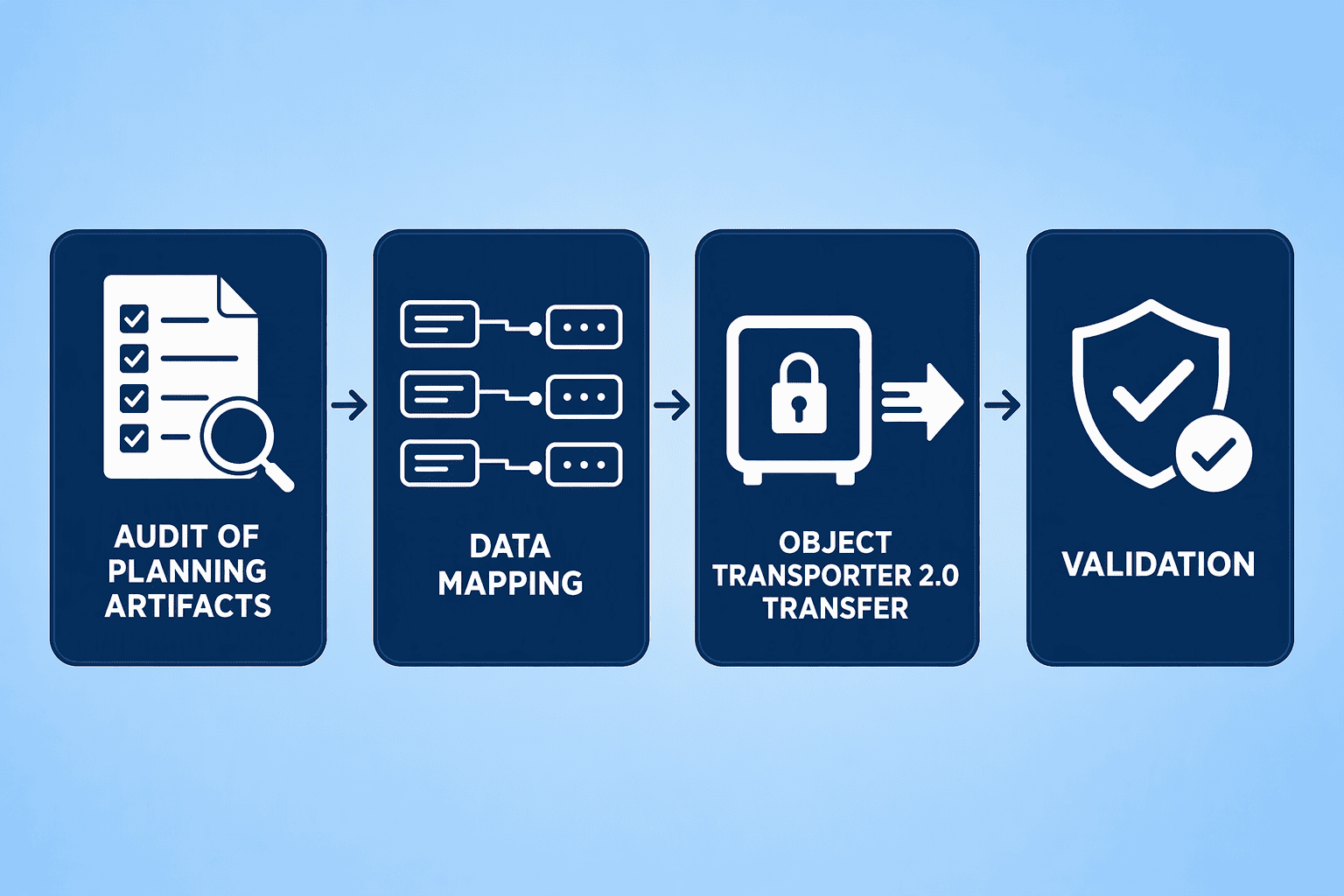
The migration path must protect data integrity while respecting that the Put web service alone cannot reconstruct the relationship between sheet columns and custom reports; migration requires Object Transporter 2.0. Start by auditing your current operational and strategic planning data artifacts: headcount sheets, cost models, and any capability maps stitched together offline.
Define the future-state modeling requirements, workforce segmentation logic, AI productivity equations, and regulatory scenario triggers, before evaluating vendors. Selecting a platform is a milestone you reach halfway through the transition process. Run a parallel SWP cycle where the new tool models the next budget year while Workday executes the current operational cycle.
Sunset the legacy module only after the new SWP process successfully links a multi-year capability roadmap to an approved budget. The expected outcome is a strategic planning cadence where workforce capability constraints inform the P&L, and the P&L directs headcount execution rather than the reverse. Object Transporter 2.0 ensures the migration preserves the structural relationships between your data, activated by your Workday-certified implementer who manages the transition from legacy single-tenant planning into a modern, connected architecture.
The search for a Workday workforce planning alternative is a search for a bridge between strategy and operations. Workday Adaptive Planning competently runs the quarterly plan, but as McKinsey's data confirms, the market demands tools that embed long-term capability modeling, AI productivity simulation, and build-buy-borrow-automate trade-offs as core operating logic. The market is expanding toward USD 23.1 billion, and a wave of US labor law changes makes static planning legally fragile. The time to migrate to a strategic platform is now, before the next planning cycle locks the strategy gap in for another year. If you're weighing options, CompUp is worth a closer look.
Top alternatives include Anaplan, Pigment, Orgvue, eQ8, and Board. The critical comparison axis is strategic-operational bridging:
Workforce planning software models multi-year capability supply and demand against business strategy. Compensation management tools administer pay structures and equity. CompUp, for example, provides real-time pay equity analysis and compa-ratio tracking, but it does not function as a headcount scenario sim engine. Each serves a distinct purpose, and confusing them leaves capability gaps unfunded.
Prioritize the tool's capacity to perform these key functions:
The primary driver is the gap between operational and strategic planning. With only 12% of organizations achieving genuine SWP, Workday often keeps firms at the operational budget and headcount layer. Specialized platforms embed multi-year capability roadmapping and explicit trade-off analysis as core functions, connecting workforce decisions directly to corporate strategy before the budget is set.
Pay transparency mandates and contingent-worker reclassification rules demand dynamic regulatory modeling in your SWP platform. A compliant tool must simulate the full loaded cost of reclassifying a contractor segment as employees in real time and enforce pay equity guardrails inside the plan. Static planning grids cannot meet these new dynamic compliance standards.
Follow this phased migration approach:
Community Manager (Marketing)
As a Community Manager, I’m passionate about fostering collaboration and knowledge sharing among professionals in compensation management and total rewards. I develop engaging content that simplifies complex topics, empowering others to excel and aim to drive collective growth through insight and connection.
Revolutionizing Pay Strategies: Don't Miss Our Latest Blogs on Compensation Benchmarking